The Cokeville Elementary School bombing remains one of the most extraordinary survival stories in American school safety history. On May 16, 1986, David and Doris Young took 154 children and adults hostage at the elementary school in rural Cokeville, Wyoming. What unfolded over two and a half hours tested the limits of human courage and quick thinking—and resulted in a death toll of only two: the perpetrators themselves.
David Young had served as Cokeville's town marshal in the 1970s but was dismissed after his six-month probationary period. He developed an elaborate personal philosophy he titled "Zero Equals Infinity" and conceived a ransom scheme he called "the Biggie"—targeting $2 million per hostage. He built a crude but devastating explosive device using a two-wheeled shopping cart, gasoline jugs, and an aluminum powder and flour mixture. His own teenage daughter, Princess Young, refused to participate in the plan and reported it to town hall authorities—but by then, it was already too late.
At 1:00 PM on May 16, David and Doris Young arrived at the school. Two local men, Gerald Deppe and Doyle Mendenhall, were handcuffed outside but refused to enter. The couple then walked into the school and initiated the hostage-taking, holding 136 children and 18 adults captive in a single classroom.
For nearly two and a half hours, the hostages endured increasingly desperate conditions. The Youngs had wired the room with their improvised bomb, built around the shopping cart explosive. The device was designed to ignite the gasoline and powder mixture, creating a devastating blast and fireball. The hostages faced not only the threat of the bomb but also the heat and suffocating fumes that built up as negotiations stalled.
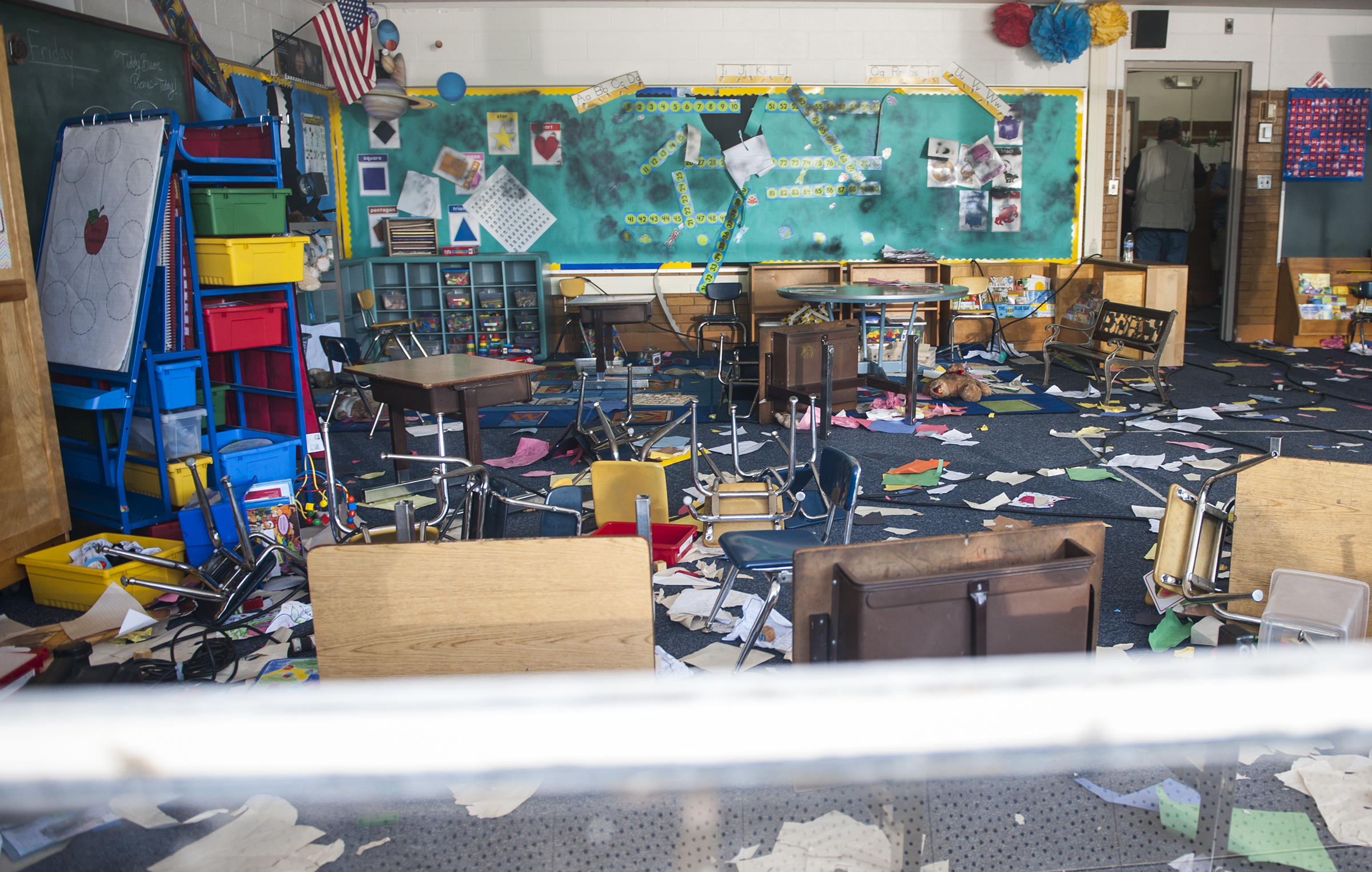
The critical turning point came through the calm, decisive action of a teacher who had already moved most of her students from the classroom to the gymnasium before the situation turned violent. When the bomb finally detonated at approximately 3:30 PM, the explosion tore through the classroom in a roar of flame and smoke. The blast itself was catastrophic to the room—but it was contained. Because of that earlier evacuation, 152 hostages were already out of harm's way.
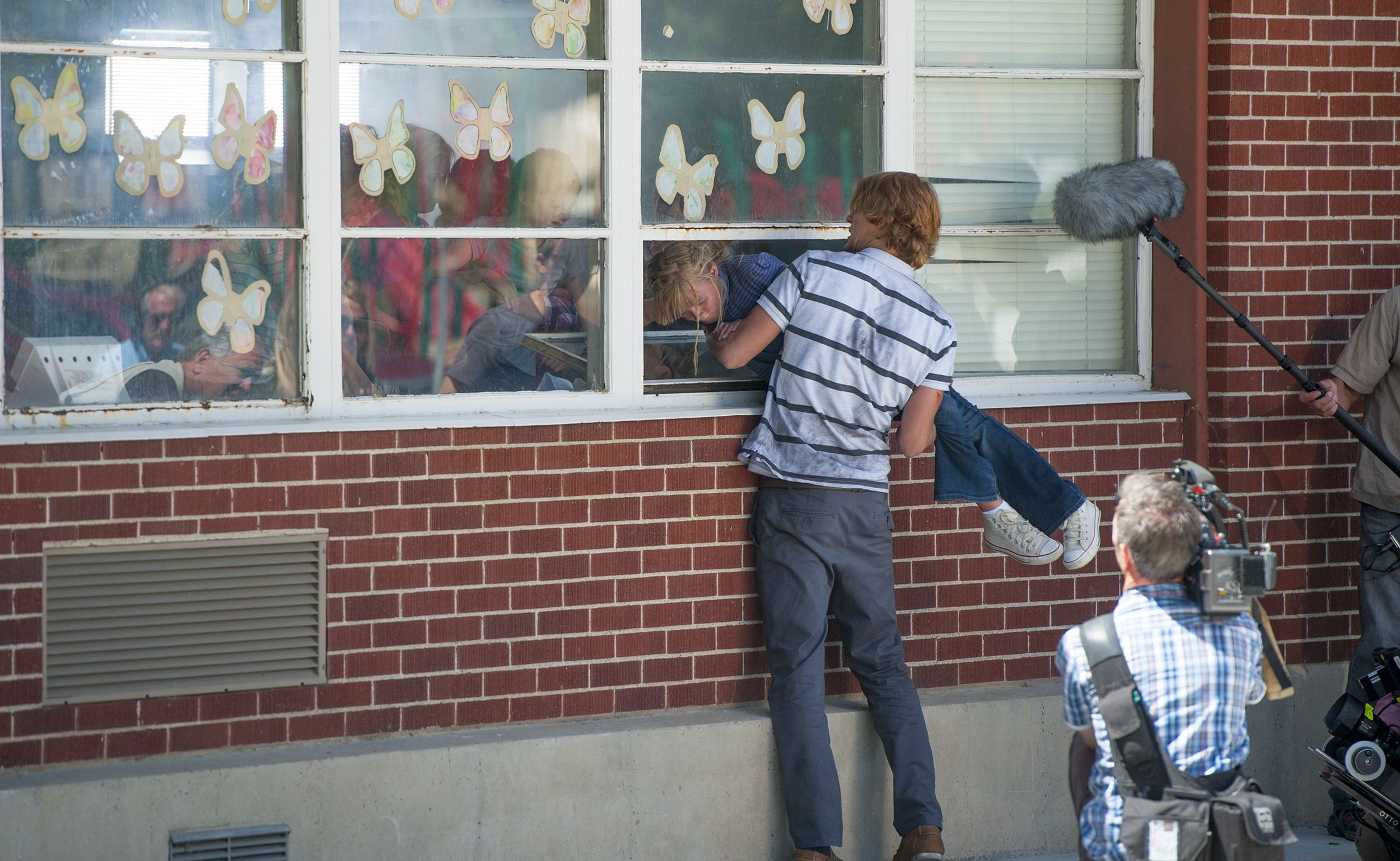
When emergency responders arrived, they found a scene of chaos and remarkable resilience. Of the 154 hostages, 79 sustained injuries—78 from bomb-related trauma and one from a gunshot wound that one of the perpetrators had fired. Miraculously, every single hostage survived. David and Doris Young were the only fatalities.
The evacuation through the gymnasium became the stuff of school safety legend. The quick thinking that moved those children to safety transformed what could have been the deadliest school attack in American history into a story of survival against all odds. The failure of the bomb to fully detonate—attributed to a gasoline leak and faulty blasting caps—also contributed to the survival of the majority of hostages.
Cokeville, a small ranching community of roughly 500 people then, was forever changed. Survivors and witnesses described years of psychological struggle, and the community's memory of that day remains both a testament to human resilience and a reminder of lasting trauma. The case became a landmark in school safety studies, influencing active-shooter and hostage crisis protocols nationwide.
The legal outcome was straightforward: both perpetrators died in the blast, leaving no one to prosecute. The legacy of Cokeville endures not as a story of failure, but of survival—152 lives saved by a single teacher's calm in the face of disaster. It stands as one of the most compelling arguments for proactive emergency planning in schools, and a quiet reminder that even in the worst moments, human decision-making can rewrite the outcome.