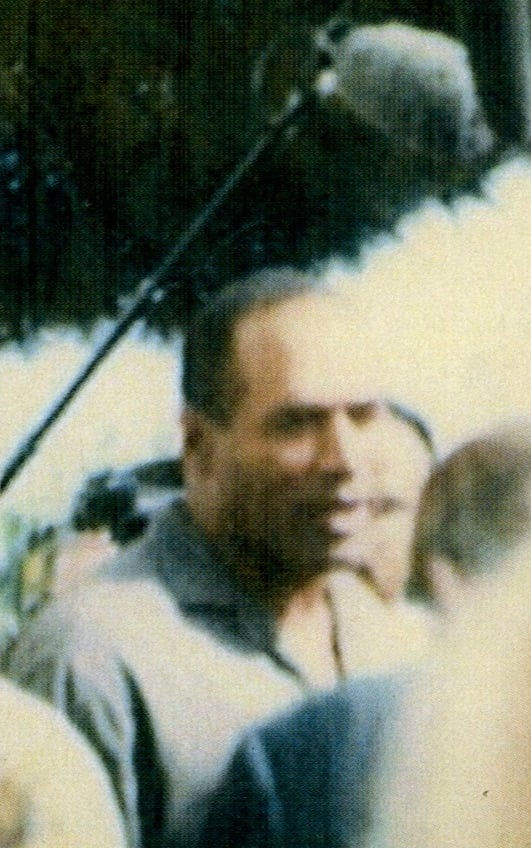
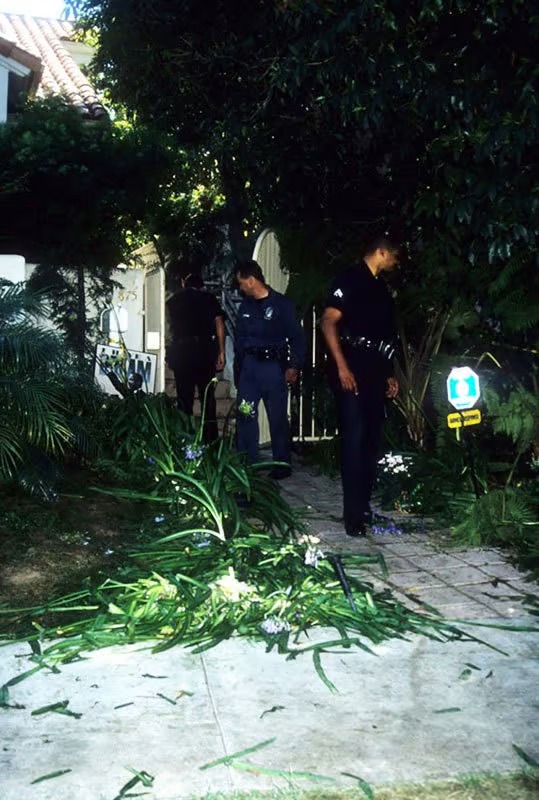
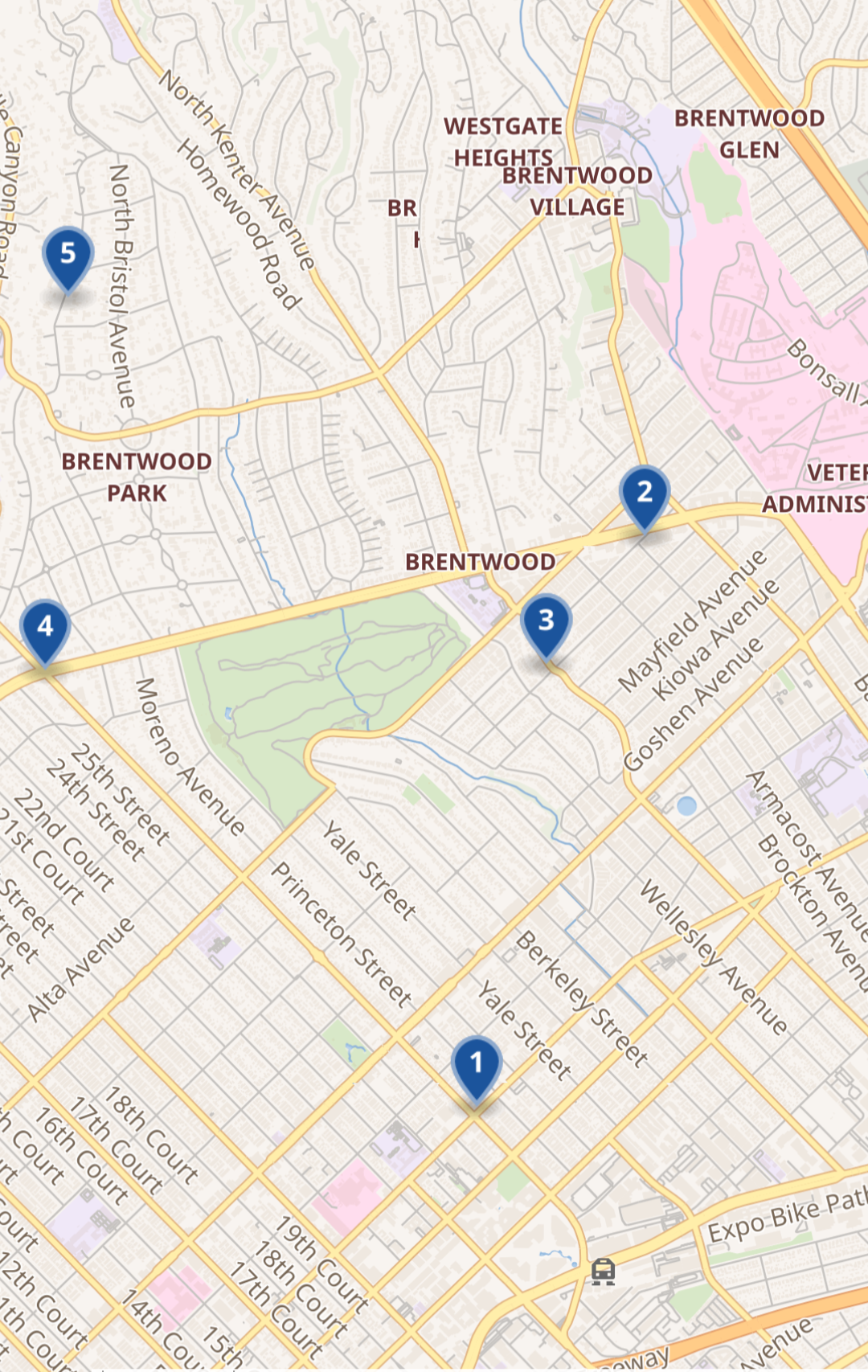
Shortly after 10:15 PM on June 12, 1994, neighbors made a grim discovery at a condominium in the Brentwood neighborhood of Los Angeles: two bodies in the front courtyard, near the entrance steps. The victims were Nicole Brown Simpson and Ronald Goldman. Both had been stabbed multiple times. Nicole had suffered defensive wounds, indicating she had fought back against her attacker. Investigators would later count 46 stab wounds on Nicole and 37 on Goldman — evidence of what prosecutors would describe as an act of ferocious personal rage.
Nicole Brown Simpson was the former wife of Orenthal James Simpson — O.J. Simpson — one of the most famous professional football players and actors in American history. Their relationship had been marked by documented incidents of domestic violence, though Simpson had never faced criminal prosecution for them. By 1994, they were divorced, and Nicole was raising their two children in Brentwood.
Ron Goldman was a young restaurant worker and a friend of Nicole's. On the night of the murders, he had stopped by her condominium to return a pair of sunglasses she had left at the restaurant where he worked. His errand placed him at her home at the wrong moment.
Within days, investigators focused their attention on O.J. Simpson. Blood found at the crime scene matched Simpson's DNA profile. Bloody shoeprints consistent with shoes belonging to Simpson were discovered at the scene. At Simpson's home on Rockingham Drive, investigators found blood, hair, and fibers consistent with both victims. Most memorably, a bloody right-hand glove was recovered from Nicole's condominium, and its matching left-hand partner was found outside Simpson's Rockingham Drive residence — both gloves bearing the blood of Nicole, Goldman, and DNA matching Simpson.
On June 17, 1994, five days after the murders, Simpson was formally charged with two counts of first-degree murder. When he failed to appear at the Los Angeles Police Department at the agreed time, he became the subject of a nationwide manhunt. What followed was broadcast live on television and became one of the most-watched events in American history: a slow-speed chase through Los Angeles, Simpson riding in the back of a white Ford Bronco driven by a friend. He eventually surrendered at his Rockingham Drive estate.
The criminal trial, The People of California v. Orenthal James Simpson, opened in January 1995 before Judge Lance Ito in Los Angeles County Superior Court. Prosecutors Marcia Clark and Christopher Darden built their case around physical and DNA evidence, arguing that Simpson had killed Nicole in a jealous rage, with Goldman as an unintended victim who arrived at the wrong moment.
The defense — a large team that included Johnnie Cochran and Robert Shapiro as lead counsel, DNA analyst Barry Scheck, F. Lee Bailey, and others — pursued a strategy that would leave a permanent mark on American criminal defense. They argued the evidence had been contaminated, mishandled, or planted. Their most powerful argument centered on Detective Mark Fuhrman, who had helped collect key evidence at the crime scene. Audio recordings revealed that Fuhrman had made deeply racist statements. Cochran argued to the jury — which included ten African-American members — that a detective capable of such racial bias was capable of planting evidence. The argument resonated in a city still raw from the 1991 Rodney King beating and the riots that followed.
On October 3, 1995, after fewer than four hours of deliberation, the jury returned a verdict of not guilty on all counts. The reaction split the country: in many Black communities, there were celebrations; among many white Americans, there was shock and disbelief. Polls taken immediately afterward showed stark differences in how people of different races perceived the verdict. The trial had exposed, in real time, the divergence in how communities experienced the American justice system.
The civil case produced a different outcome. On February 4, 1997, a civil jury found Simpson liable for the death of Ron Goldman and for battery against Nicole Brown Simpson, and ordered him to pay $33.5 million in damages to the victims' families. Little of that judgment was ever paid, with Simpson employing legal strategies to shield his assets from collection. The Goldman family spent decades in pursuit.
The murders of Nicole Brown Simpson and Ron Goldman set in motion one of the most consequential legal and cultural events in American history — a case that reshaped national conversations about domestic violence, police misconduct, race, and the meaning of justice itself.