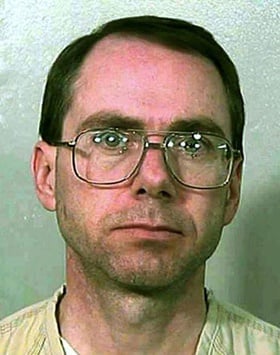
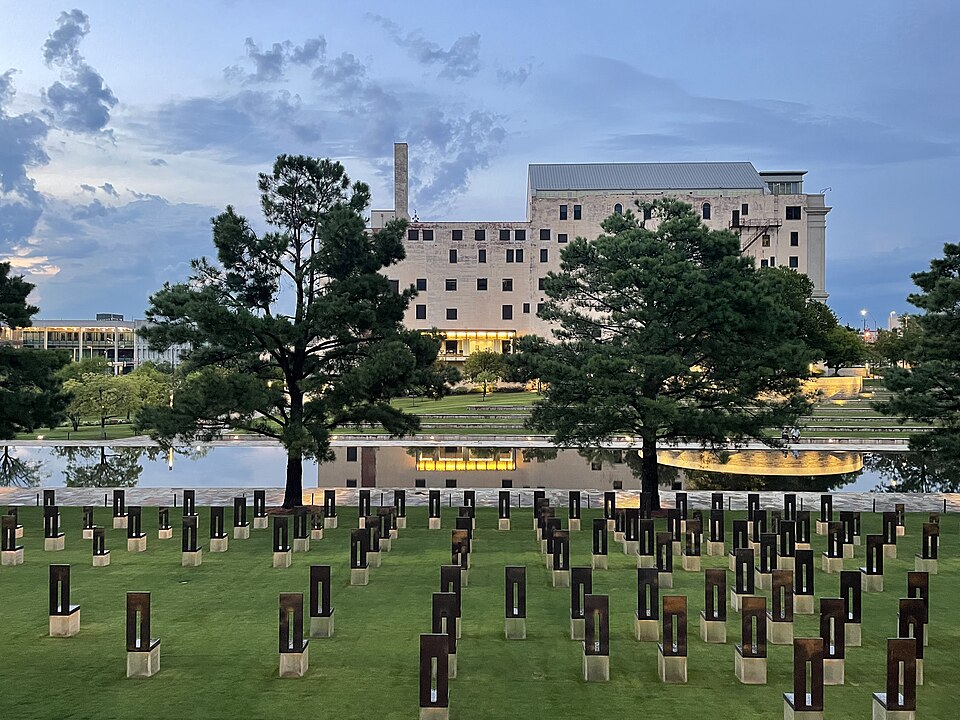
Terry Nichols was born April 1, 1955, in Michigan. He served in the U.S. Army and later worked as a military surplus dealer in Kansas before becoming entangled with Timothy McVeigh in the early 1990s. On April 19, 1995, a Ryder truck bomb detonated outside the Alfred P. Murrah Federal Building in Oklahoma City, killing 168 people and injuring more than 500.
Investigators quickly identified McVeigh and Nichols as suspects. McVeigh was arrested within 90 minutes of the bombing; Nichols was taken into custody two days later at his mother's home in Michigan.
The prosecution argued that Nichols had helped McVeigh acquire materials for the bomb and had been present when it was assembled. Michael Fortier, a friend who had been told of the plan in advance, testified for the government. He stated that Nichols had helped obtain materials and was present during part of the preparation. Nichols maintained he was unaware of the attack.
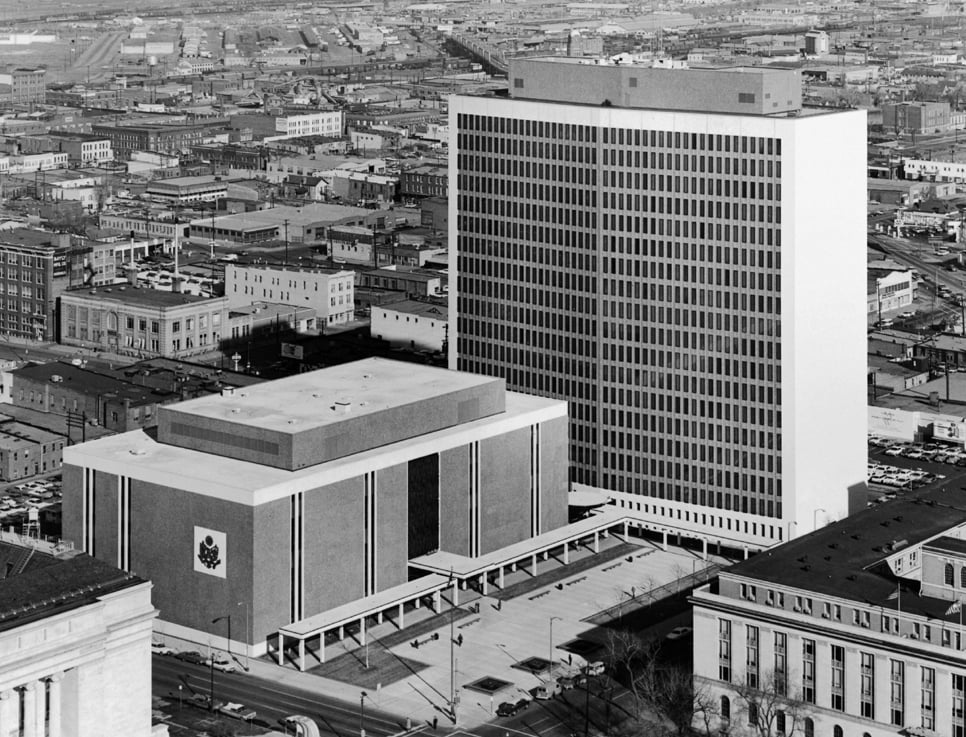
The federal trial began in 1997 in Denver, Colorado, after Judge Richard Matsch ruled that Oklahoma City itself was too contaminated by grief and bias to host proceedings. On December 23, 1997 — nearly 21 months after the bombing — the jury found Nichols guilty of conspiracy to use a weapon of mass destruction and eight counts of involuntary manslaughter. He was acquitted of first-degree murder and additional bomb-related charges. Jurors could not reach agreement on the death penalty — a requirement under federal law for that sentence to be imposed.
Three years after the April 19, 1995 bombing — on June 4, 1998 — Judge Matsch sentenced Nichols to life in prison without the possibility of parole, along with restitution ordered at $14.5 million. In his sentencing remarks, Judge Matsch called Nichols "an enemy of the Constitution" — a man who had aligned himself with a terrorist cause and allowed the machinery of conspiracy to operate unchecked.
Nichols did not speak at his sentencing. His defense attorney, Michael Tigar, argued that his client had been manipulated by McVeigh and was not a willing participant in the planning. The argument did not change the outcome.
A separate state prosecution in Oklahoma resulted in 161 consecutive life sentences in 2004. Nichols is currently incarcerated at ADX Florence, the federal supermax prison in Colorado — the same facility where McVeigh was executed on June 11, 2001. He remains there.
The June 4, 1998 sentencing closed the federal criminal phase of the Oklahoma City bombing cases. It arrived on an anniversary that survivors and victims' families had long dreaded. For many, the life sentence represented justice; for others, it was a fraction of what they had lost. The deadlocked jury on the death penalty reflected the same uncertainty that has always shadowed this case — about how to weigh a conspiracy conviction against the full weight of 168 deaths, and about what accountability for terrorism on American soil ultimately requires.