By the spring of 1937, American industry was at the center of a fundamental confrontation over whether industrial workers would have the right to organize. The Congress of Industrial Organizations, known as the CIO, had won a landmark agreement from United States Steel earlier that year, securing union representation and better conditions for thousands of workers. But the smaller steel companies — collectively known as Little Steel — refused to follow suit. Republic Steel, formed in 1935 by a consortium of smaller producers, was among the most resistant. Workers at Republic Steel's mills, frustrated by the company's refusal to match the terms U.S. Steel had accepted, voted to join the Steel Workers Organizing Committee, the CIO's labor arm, and began pressing for recognition. The company responded with layoffs, surveillance of suspected union supporters, and the deployment of private security forces.
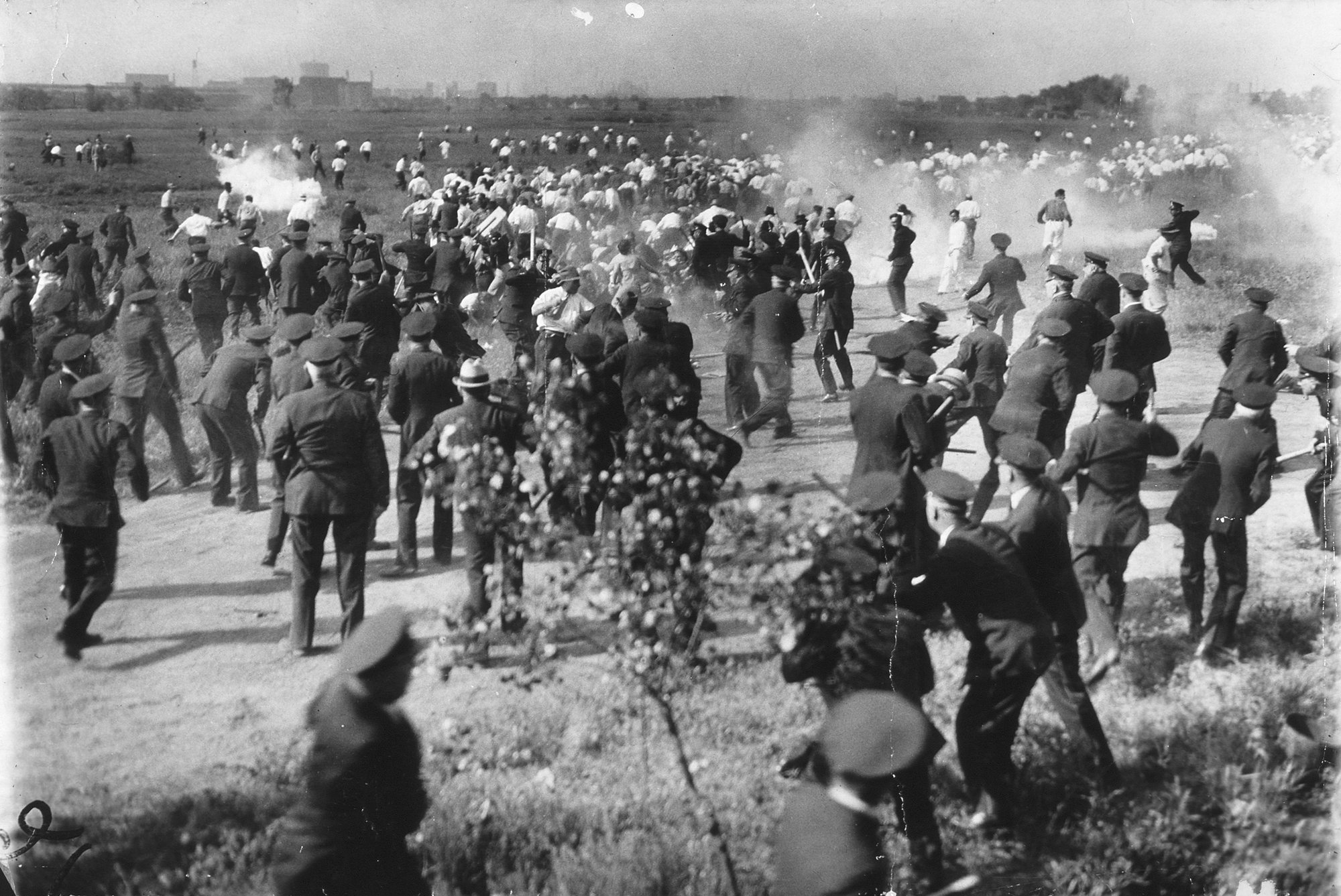
The strike that followed lasted months. By late May 1937, picketing had become a daily presence at Republic Steel's South Chicago plant. On Memorial Day — May 30 — the union organized a larger demonstration and picnic, drawing workers and their families to the site. Contemporary reports and later La Follette Committee investigations placed the crowd at between 1,500 and 2,500 people. They gathered near the Republic Steel plant and began a procession toward the facility's main gate. The event was peaceful in its early stages; marchers carried American flags and signs supporting union recognition.
Approximately 264 Chicago Police officers were already on scene. The officers moved to block the procession, and the confrontation escalated quickly. Police cut through the crowd and opened fire without warning. Ten workers were killed — four died at the scene, and six more died later from their injuries. More than ninety workers were wounded and taken to the hospital; nine were left permanently disabled by beatings. The violence was witnessed and later documented by Dorothy Day, the labor activist and journalist, whose reporting brought additional attention to what had occurred. Newsreel footage of the confrontation was filmed but later suppressed by Paramount, limiting its public distribution.
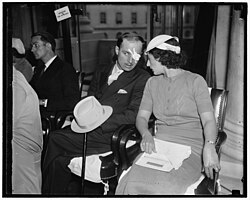
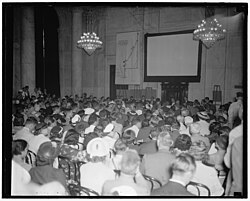
The La Follette Committee — formally the Senate Civil Liberties Committee — conducted an investigation into the incident and the broader climate of employer resistance to union organizing during the New Deal era. Chaired by Senator Robert La Follette Jr., the committee documented the use of excessive force against labor demonstrators and examined the relationships between steel companies, local law enforcement, and private security operations. Its findings, published as part of a broader examination of employer interference with workers' rights, provided one of the most comprehensive official records of the event and its context within the Little Steel strike.
A coroner's jury subsequently ruled the killings a "justifiable homicide." No police officers were ever prosecuted for the deaths. The decision drew criticism from labor advocates and civil libertarians who saw it as evidence of judicial deference to law enforcement in labor disputes. The absence of accountability became a recurring theme in discussions about the treatment of labor organizing efforts by municipal authorities across industrial America.
The Memorial Day Massacre became one of the most violent confrontations in American labor history. It intensified public debate over labor rights, the role of law enforcement in labor disputes, and the responsibility of the federal government in protecting workers' ability to organize. For many observers, the event underscored the gap between the protections theoretically afforded to workers under the Wagner Act and the reality of enforcement on the ground, particularly in states where local authorities aligned with industrial interests.
The Wagner Act — the National Labor Relations Act — had been signed into law in July 1935, two years before the massacre. In theory, it guaranteed workers the right to organize and required employers to bargain in good faith. In practice, Little Steel companies including Republic Steel had simply refused to comply, betting that federal enforcement would not reach them. The Memorial Day Massacre exposed that gap between legal protection and ground-level enforcement in ways that proved difficult to ignore. A memorial plaque dedicated on May 30, 1967 — the thirtieth anniversary of the massacre — was installed near the site of the shooting at 11731 South Avenue O, ensuring the event was not entirely forgotten. The Memorial Day Massacre remains a reference point in discussions of the long struggle for labor rights in the United States, particularly in the context of government and employer resistance to collective bargaining.
The incident took place at the Republic Steel plant in South Chicago, Illinois, on May 30, 1937.
